

About I'm on Observation Duty
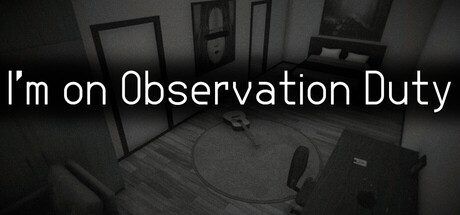
I'm on Observation Duty makes the beginning of a camera shift your reference for later reports. Objects may move, disappear, or change, while an unexpected visitor can demand attention. The practical skill is comparing a room's present state with a remembered arrangement, not simply switching feeds quickly.
How to Play I'm on Observation Duty
Getting Started
- Study each room before the shift's changes accumulate.
- Cycle through the cameras and identify a concrete difference.
- Report the affected room and event, then resume the remaining views.
Building a Reference for Each Camera
At the start of the shift, study how objects are arranged in each room. Give each camera a few stable reference points, such as furniture and the space around it. Those relationships make a moved or missing object easier to identify on a later pass.
When you see a change, report the affected room and event before returning to your camera cycle. An unexpected visitor may need a different report from an object that has disappeared, so identify what actually changed. After an interruption, resume checking the remaining views instead of spending the entire shift on one room.
Practical tips
- Use a stable object as an anchor for checking nearby details.
- Avoid repeatedly reporting a vague suspicion before identifying what actually changed.
Frequently asked question
Why inspect the rooms before anything happens?
Their initial arrangement supplies the evidence needed to recognize later anomalies. A hurried first pass makes an ordinary detail harder to distinguish from a change.