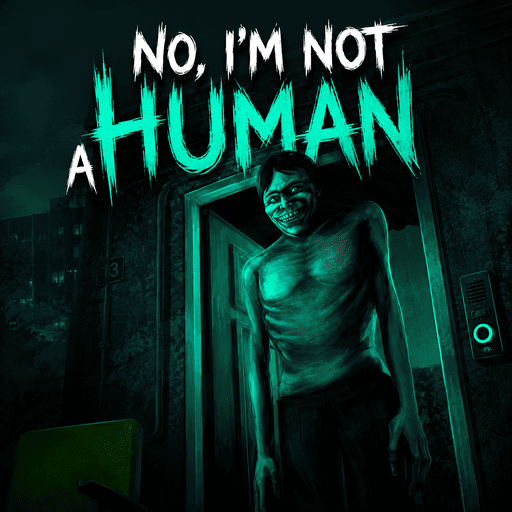



About No, I'm not a Human
No, I'm not a Human is Trioskaz's horror game about deciding who may enter your shelter during a catastrophe. The streets are dangerous in daylight, and people arrive seeking refuge at night. Some arrivals are human; others are Visitors hiding among them. Listening to guests, questioning their accounts, and investigating suspicious details turn each admission into a consequential decision.
How to Play No, I'm not a Human
Getting Started
- Listen to an arrival's request before deciding whether to offer shelter.
- Use the conversations and examinations available to investigate the people you have admitted.
- Reconsider earlier judgments when new information changes what you know about a guest.
Judging Visitors at the Shelter
The catastrophe makes daylight outside dangerous, while people come to the shelter seeking refuge at night. Some arrivals are human and some are Visitors, so each admission starts with listening to a request and deciding what information you need before offering shelter.
Conversations and examinations continue after someone enters. Keep a guest's account separate from details you have actually observed, and reconsider an earlier judgment when new information changes the picture. A convincing explanation is part of the evidence, but the investigation is about how it fits with the rest of what you learn.
Practical tips
- Separate what a person claims from what you have observed. A convincing account is still only one part of the evidence.
- Keep track of unresolved suspicions so a new arrival does not make you forget an earlier inconsistency.
Frequently asked question
Is admitting everyone the safest choice?
No. Visitors can enter with the people seeking help. The central dilemma is deciding whom to trust while real people also need shelter.