







About Backrooms: Escape Together
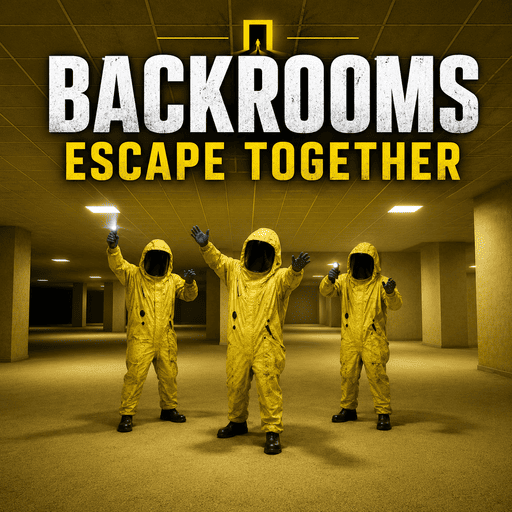
Backrooms: Escape Together is Triiodide Studios' cooperative survival horror game. You explore changing Backrooms environments alone or with a group, working through each area's objectives while avoiding entities with different behaviors. Procedural layouts make route knowledge less reliable across attempts, so identifying what a room requires is more useful than memorizing one universal path. Proximity voice chat also gives movement a social cost: spreading out can make coordination harder when danger appears.
How to Play Backrooms: Escape Together
Getting Started
- Identify the current level's objective before sending everyone in different directions.
- Search for useful items and communicate their locations to the group.
- Observe an entity's reactions and adapt movement to that threat rather than applying one escape tactic everywhere.
Coordinating a Search in Changing Layouts
Backrooms: Escape Together supports solo play and cooperative exploration. In a group, start by identifying the current area's objective and agreeing which part each person will check. Share the location of a useful item as well as what it is, so another player can connect it with an obstacle.
Layouts can change between attempts, making a remembered sequence of turns less reliable than recognizing the current room's features. Proximity voice chat also makes distance part of coordination: a group that spreads out may find more ground quickly but have a harder time sharing a warning. Re-establish contact before committing everyone to a route.
Practical tips
- Agree on a recognizable regrouping location while the team can still communicate.
- Treat a new attempt as a fresh layout; verify a route before committing the group to it.
Frequently asked question
Is this designed only for multiplayer?
You can play solo or cooperate with up to six players.